Linework Soccer Ball: A Designer’s Review for Small Business Merch
As an embroidery designer who has spent years digitizing and testing files for commercial use, I approach every new machine embroidery design with a critical eye. It is not just about whether the image looks cute on a screen; it is about how it performs under the needle, how it holds up after washing, and most importantly, how it elevates a brand. Today, I am reviewing the Linework Soccer Ball, a digital asset that promises simplicity and sports appeal for small business owners and apparel decorators.
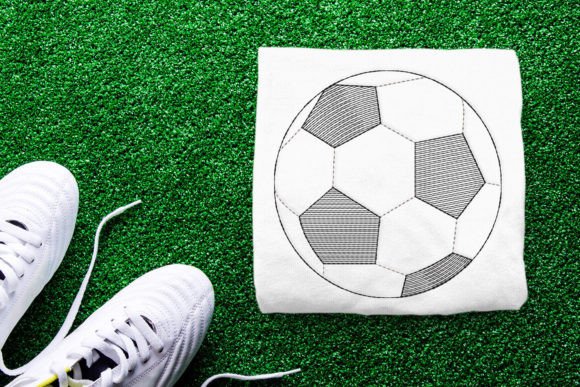
The product description notes that this linework embroidery features a soccer ball, perfect for sports enthusiasts. Crucially, the steps are separated by color changes, and users are advised not to color sort or combine colors if using a multi-needle machine. This specific instruction tells me immediately that the digitizer prioritizes clean thread trims and distinct visual separation over speed. For a business owner, this means a cleaner finished product but potentially longer run times. Let us dive into how this design fits into a professional merchandise strategy.
Visual Personality and First Impressions
The first thing that strikes me about the Linework Soccer Ball is its minimalist aesthetic. In a market saturated with complex, high-density logos, linework offers a breath of fresh air. It feels modern, clean, and intentionally uncluttered. This visual personality is versatile. It does not scream "generic sports team" in a cheap way; instead, it suggests a boutique feel. It is friendly yet professional, making it suitable for more than just competitive leagues.
For handmade brands and Etsy sellers, this design bridges the gap between playful and premium. The lack of heavy fill stitches gives it a lightweight appearance, which is essential for contemporary custom apparel. When I visualize this on a canvas tote or a linen apron, it reads as a thoughtful design choice rather than a bulk-produced stamp. This perception of quality is vital for building brand identity and customer trust.
Real-World Applications for Small Business Merch
Where does this design truly shine? I have evaluated its potential across several common small business scenarios. Here is how I see the Linework Soccer Ball performing in real commercial embroidery projects:
- Embroidered Patches: This is perhaps the strongest use case. Linework designs often translate beautifully to patches because they avoid the stiffness associated with large fill areas. A patch featuring this soccer ball could be sold as an add-on item or used to brand staff uniforms without overwhelming the fabric.
- Cap Embroidery: Caps are tricky due to their curved surface and limited space. The linear nature of this design allows it to sit cleanly on the front panel of a baseball cap. However, because it relies on outlines, ensuring the stitch density is appropriate for the curve is key to preventing puckering.
- Tote Bag Design: Canvas bags benefit from designs that do not pull the fabric too tightly. This soccer ball motif would look excellent as a chest-sized logo or a centered graphic on a reusable shopping bag, appealing to eco-conscious consumers and sports fans alike.
- Apron Embroidery: For cafes, bakeries, or florists that want to show community support or host local league events, this design works well on aprons. It adds a touch of personality to staff uniforms without looking too corporate.
Using this as part of your small business merch lineup can help diversify your product offerings. It is not just for sports teams; think of a local coffee shop sponsoring a youth league, or a pet brand creating a "playful" line of accessories. The versatility of the embroidery file allows for creative interpretation beyond the obvious.
Technical Considerations and Production Notes
While the design is visually appealing, technical execution is where many businesses stumble. The instruction to keep color changes separate is critical. If you are using a multi-needle machine, do not attempt to optimize the file by merging colors unless you are prepared to manually trim threads or risk messy jump stitches. The digitizer has structured the path to ensure clean transitions, and altering this can compromise the finished product.
Here are my practical notes for production:
- Test on Real Fabric: Always run a test stitch-out on the actual material you intend to sell. Linework can behave differently on twill versus cotton jersey. Check for gaps in the lines or excessive pulling.
- Stabilizer Selection: Because this is a linework design, it may not anchor itself as firmly as a filled logo. Use a cut-away stabilizer for stretchy fabrics like performance jerseys to prevent distortion over time. For woven caps, a stiff backer is essential.
- Thread Color Contrast: The success of this design relies heavily on contrast. If you embroider white thread on a light gray shirt, the detail will vanish. Ensure your thread colors pop against the background fabric. Black on white, or navy on heather gray, are safe bets.
- Hoop Size and Placement: Confirm the hoop size required before starting. While linework is often smaller, ensure you have enough margin for the hoop clamp, especially on caps or thick tote bags.
- Check Stitch Density: Although it is linework, verify that the density is not too low, which can cause the thread to snag, or too high, which can perforate delicate fabrics. Adjust tension if necessary during the test phase.
It is also important to note what is not provided in the description. We do not know the exact stitch count, specific file formats included (such as PES, DST, or JEF), or the exact dimensions. Before committing to a large production run, you must download the preview or contact the seller to confirm these details. Additionally, always confirm commercial licensing terms. Just because you bought the digital embroidery file does not automatically grant unlimited rights for mass production unless specified.
Enhancing Brand Identity and Customer Engagement
Why choose this specific design over a generic clipart conversion? Consistency and professionalism. When customers see a clean, well-executed embroidered logo, they perceive higher value. The Linework Soccer Ball contributes to a cohesive visual language if your brand leans towards minimalism or active lifestyles.
For Etsy sellers and crafters, this design can be used in printable mockup presentations to showcase potential products before they are even stitched. Showing this design on a variety of design assets—such as water bottles, hats, and bags—helps customers visualize the end result, increasing buyer engagement. It transforms a simple handmade product into a branded experience.
However, use caution with very small sizes. If you shrink this design too much for a tiny label or a child’s sleeve, the linework may become indistinct. Always maintain a minimum size where the individual stitches remain visible and crisp. Similarly, avoid placing it on highly textured fabrics like fluffy fleece, where the fine lines might get lost in the pile.
Final Verdict for Decorators and Makers
The Linework Soccer Ball is a solid addition to any embroidery library focused on sports, leisure, or community-oriented branding. It is not just a decorative element; it is a functional tool for creating recognizable, high-quality commercial embroidery. By respecting the color change instructions and testing thoroughly on your specific materials, you can produce merchandise that stands out in a crowded market.
Whether you are outfitting a local league, creating branded gifts for a cafe, or expanding your Etsy shop’s inventory, this design offers the balance of simplicity and style that modern consumers appreciate. Just remember to verify the technical specs, respect the digitizing structure, and let the clean lines speak for your brand’s quality.