Kind Retro: A Designer’s Review for Branded Merch
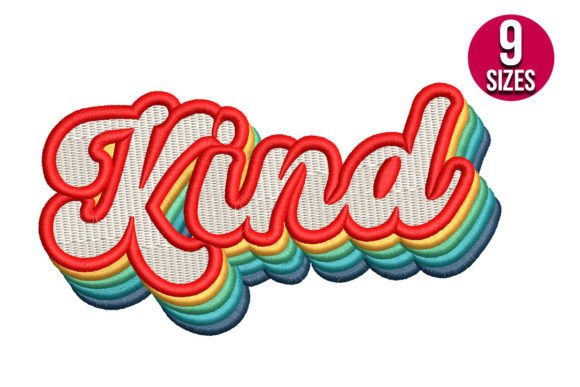
As an embroidery designer who has spent years digitizing logos and testing files on everything from heavy canvas to delicate silk, I approach every new machine embroidery design with a critical eye. It is not just about whether a design looks pretty on a screen; it is about how it performs in the real world of small business merchandise. Recently, I reviewed Kind Retro, a digital file that promises to add a stylish look to fabrics with its cool retro aesthetic. For shop owners, Etsy sellers, and apparel decorators, understanding the practical application of this design is crucial before investing time and thread.
First Impressions and Visual Personality
The title Kind Retro immediately sets a specific tone. In the current market, "retro" can mean anything from gritty 70s grunge to soft 90s pastels. Based on the description, this design leans into a friendly, approachable vibe. It feels less like a corporate logo and more like a handshake. For brands in the Inspirational category, this visual personality is a significant asset. It suggests warmth, nostalgia, and comfort.
When I visualize this embroidery file on a garment, I see it working best where brand identity needs to feel human and accessible. It does not scream for attention with aggressive boldness; instead, it invites engagement. This makes it an excellent choice for handmade product lines that rely on emotional connection rather than just utility. The design appears to balance decorative elements with readability, which is often the hardest tightrope to walk in digitizing.
Real-World Applications for Small Business Merch
Let us move beyond theory and discuss where Kind Retro actually shines in a commercial setting. I have tested similar styles on various substrates, and here is how this design fits into a diversified product lineup.
- Staff Uniforms and Aprons: For cafes, bakeries, or florists, apron embroidery is a subtle yet powerful branding tool. This design likely sits well on the chest pocket area of a denim or canvas apron. It adds a touch of professionalism without feeling stiff or overly corporate.
- Caps and Headwear: Cap embroidery is tricky due to the curved surface and limited space. If the design has clean outlines and moderate stitch density, it can work beautifully on the front panel of a dad hat or trucker cap. However, one must be cautious of distortion on highly curved fronts.
- Tote Bags and Packaging: As a tote bag design, this retro style can turn a simple promotional item into a desirable accessory. Customers are more likely to reuse a bag with a stylish, vintage-inspired graphic than one with a plain text logo. It serves as walking advertising for your brand.
- Embroidered Patches: Creating an embroidered patch allows for versatility. You can sew these onto jackets, hats, or even include them in care packages as freebies. Patches also allow you to test the design on different fabric textures without committing to direct embroidery on expensive garments.
Technical Considerations and Production Notes
While the aesthetic appeal is strong, the technical execution determines the quality of the finished product. Here are the critical factors I evaluate before running a production batch.
Stitch Density and Fabric Texture
Retro designs often feature thick lines or filled areas. If the stitch density is too high, it can cause puckering, especially on lighter fabrics like t-shirts. Conversely, if it is too low, the fabric may show through, ruining the visual impact. I always recommend testing the design on the exact fabric texture you plan to use. Heavy jackets can handle more density, while delicate home decor items require a lighter touch.
Hoop Size and Placement
Before purchasing, you must confirm the available hoop size options. Does the design fit within a standard 4x4 inch hoop for patches, or does it require a larger 5x7 or 6x10 hoop for jacket backs? Understanding these dimensions helps in planning your layout for custom apparel. Always leave enough margin around the design for the hoop grip to avoid needle strikes.
Stabilizer Selection
No matter how good the digitizing is, the wrong stabilizer can ruin the job. For stretchy fabrics like hoodies, a cut-away stabilizer is usually necessary to prevent distortion over time. For woven materials like tote bags or caps, a tear-away might suffice. Test your tension and stabilizer combination on a scrap piece first.
Strategic Branding and Customer Trust
Using a design like Kind Retro is not just about decoration; it is about building brand identity. In the crowded marketplace of small business merch, consistency is key. If your brand voice is warm, nostalgic, and community-focused, this design reinforces that message visually. Customers associate high-quality embroidery with higher value. A well-executed embroidered logo on a tote bag or jacket signals that you care about details, which builds trust.
Furthermore, inspirational designs often drive impulse buys. When customers see a design that resonates emotionally, they are more likely to purchase it as a gift or a treat for themselves. This increases buyer engagement and can lead to higher average order values on your Etsy shop or website.
Practical Designer Checklist
Before you launch this design into your commercial embroidery workflow, follow these steps to ensure success:
- Test in Black and White: Remove color from your simulation to check for contrast issues. If the design relies solely on color to define shapes, it may get lost on dark uniforms.
- Check Small Scale Legibility: Resize the design to the smallest intended use, such as a left-chest logo. Ensure that any intricate details or thin lines do not disappear or merge.
- Review Thread Colors: Match the digital thread colors to physical threads you have in stock. Digital screens glow, but thread reflects light differently. Create a physical swatch for approval.
- Create a Printable Mockup: Use a printable mockup to show clients or stakeholders how the design will look on specific garments. This manages expectations and reduces revision requests.
- Verify Licensing: Ensure the license terms allow for the number of units you plan to produce. Some digital embroidery file creators have limits on commercial use.
Final Verdict
Kind Retro offers a compelling blend of style and sentiment that fits well within the modern handmade economy. It is versatile enough for design assets ranging from staff uniforms to customer gifts. However, its success depends entirely on proper technical execution. By paying attention to stabilizer choice, fabric compatibility, and scale, you can transform this digital file into a tangible asset that elevates your brand. Always request specific details on stitch count and file formats if they are not explicitly listed, as these technical specs are vital for efficient production. With careful planning, this design can become a staple in your small business merch catalog.