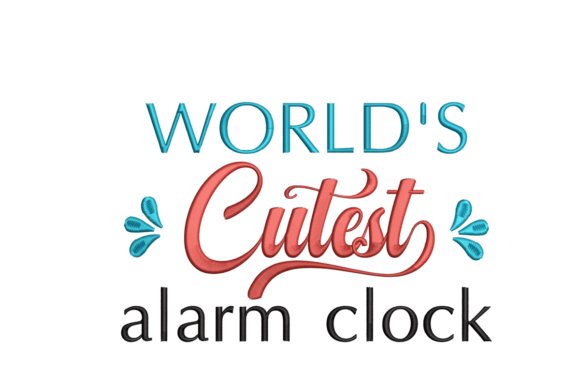
World's Cutest Alarm Clock: A Seasonal Review
As an embroidery designer constantly scanning for the next big trend in seasonal collections, I recently encountered a design that immediately stopped my scroll: World's Cutest Alarm Clock. In the competitive world of handmade gifts and digital file sales, finding a motif that balances whimsy with commercial viability is rare. This specific design, described as a baby-themed alarm clock, offers a unique emotional hook for the upcoming holiday season. It is not just a pattern; it is a storytelling device for parents-to-be, new families, and anyone who appreciates the cozy charm of nursery aesthetics.
The First Impression: Whimsy Meets Practicality
When I first opened the preview of World's Cutest Alarm Clock, the immediate feeling was one of pure nostalgia mixed with modern cuteness. The concept of an alarm clock representing a baby is clever, tapping into the universal experience of early mornings and sleepless nights, but framing it through an adorable lens makes it instantly shareable. For a seasonal collection, this design feels less like a generic decoration and more like a conversation starter. It fits perfectly into the "cozy" and "playful" categories that dominate fall and winter crafting trends.
The decorative style appears to be clean enough for machine application while retaining enough character to stand out on simple fabrics. Unlike overly complex designs that require excessive trimming, this piece seems optimized for quick production, which is crucial when an Etsy seller or small shop owner is trying to fulfill holiday orders before December 1st. The emotional tone is warm and inviting, making it an ideal candidate for gift bundles aimed at baby showers, Christmas stockings, or New Year's resolutions for new parents.
Real-World Applications for Holiday Selling
In a real-case scenario where I am building a limited-time product drop, World's Cutest Alarm Clock becomes a versatile hero piece. Its primary strength lies in its adaptability across various substrates. Imagine a set of matching family sweatshirts where the parents wear a subtle version and the baby wears the full, colorful design. The contrast creates a cohesive look that sells well on social media platforms like Instagram and Pinterest.
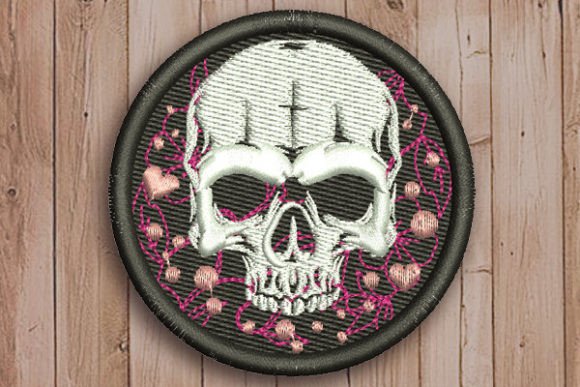
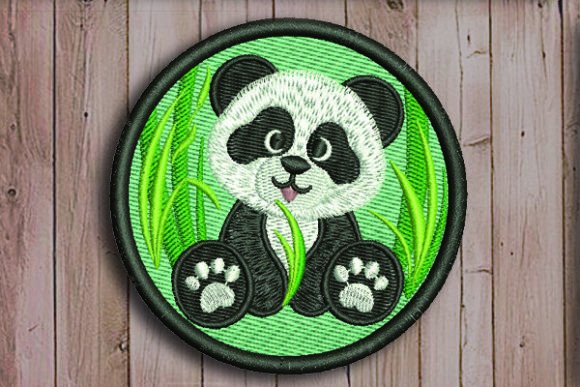
For home decor enthusiasts, this machine embroidery design translates beautifully onto pillow covers and kitchen towels. A white linen kitchen towel embroidered with this cute motif adds a touch of personality to a nursery or a guest room. Furthermore, creating an embroidered patch from this file allows crafters to offer customization options. Customers can iron these patches onto denim jackets, tote bags, or even backpacks, expanding the product line without needing to re-stitch every item individually.
During the peak holiday season, visual recognition is key. When browsing through a crowded marketplace, a listing featuring a high-quality printable mockup of this design on a plush onesie or a soft bib will catch the eye. It signals a personalized gift rather than a mass-produced item. For the savvy Etsy seller, this design serves as an anchor for a "Baby's First Holiday" collection, driving traffic to other complementary items in the shop.
Ideal Product Categories
- Baby Apparel: Onesies, bibs, and sleep sacks are the natural home for this design, especially for gender-neutral nurseries.
- Home Textiles: Pillow covers and table linens benefit from the charming aesthetic, adding a festive touch to holiday gatherings.
- Accessories: Tote bag designs and aprons make excellent hostess gifts or party favors for baby shower events.
- Ornaments: Scaled down versions could work on fabric ornaments, offering a unique alternative to glass baubles.
Navigating Technical Challenges
While the concept is delightful, a professional review must address the technical execution. As with any digital embroidery file, the success of the finished product depends on proper preparation. One area requiring careful attention is the stitch density. If the design includes intricate details within the clock face or the baby features, high density can lead to puckering on lighter fabrics like jersey knit or thin cotton flannel.
Designers should also consider the hoop size limitations. While the description mentions multiple sizes, always verify the dimensions against your specific hoop setup before committing to a bulk order. Small hoop sizes might struggle to capture the fine lines if the design is scaled down too aggressively. Additionally, the use of thread colors plays a massive role in the final appeal. Testing the design on both light and dark fabric is essential. A pastel palette works wonders on cream onesies, but on navy blue sweatshirts, you may need to adjust the underlay or switch to brighter thread shades to ensure visibility.
Fabric texture is another critical factor. Thick terry cloth towels or heavy fleece can distort the image if the wrong stabilizer is used. Always tear away stabilizers for knits and cut-away for wovens to maintain the integrity of the World's Cutest Alarm Clock design over repeated washes. Avoid using metallic threads unless you are experienced with their tension requirements, as they can snag easily on delicate baby garments.
Maximizing Seasonal Appeal and Value
From a business perspective, incorporating this design into your holiday lineup boosts perceived value. A plain white tote bag costs little, but once adorned with a professionally stitched, heartwarming design, it transforms into a premium handmade gift. This shift in perception allows small business owners to increase their profit margins significantly. The design taps into the buyer's desire for unique, sentimental items that cannot be found in big-box stores.
Furthermore, consistency in branding is vital. Using World's Cutest Alarm Clock across multiple product types—such as matching a pillow cover with a set of napkins—creates a cohesive brand identity. This consistency builds customer trust and encourages repeat purchases. During the frantic holiday shopping period, customers appreciate shops that offer curated collections rather than random assortments. This design acts as a thematic glue, holding the collection together.
Designer Notes for Success
Before launching your commercial embroidery products, take the time to create realistic mockups. These visuals are often the deciding factor for online buyers. Ensure you showcase the design on different textures to demonstrate versatility. Also, remember to review the licensing terms of the embroidery file carefully. Some designers restrict the number of items you can sell or prohibit selling the files themselves. Clarifying these terms protects your business and ensures you remain compliant.
Finally, do not underestimate the power of color palettes. Plan your thread choices to match current seasonal trends. Soft grays, sage greens, and muted blues are popular for modern nurseries, while traditional reds and golds might suit a holiday ornament theme. By aligning the World's Cutest Alarm Clock with these trends, you position your products as timely and desirable.
In conclusion, this design is a strong contender for any seasonal embroidery portfolio. It combines emotional resonance with practical application, making it a favorite for both crafters and professional decorators. With careful attention to stabilizers, thread selection, and marketing presentation, World's Cutest Alarm Clock can become a best-seller in your shop this holiday season.