Sandpiper Bird Miniature: A Craft Fair Review
As I set up my booth for the upcoming weekend market, the table is a chaotic sea of potential bestsellers. Tote bags, aprons, tea towels, and caps are stacked high, waiting to be transformed by my embroidery machine. Among the pile of digital assets lies the Sandpiper Bird Miniature. Before I load this file into my hoop, I need to evaluate it through the eyes of a customer walking past my stall. Does it stop them in their tracks? Does it scream "handmade quality"? As an experienced designer turning these files into physical goods, my first impression of the Sandpiper Bird Miniature is one of delicate charm. It feels soft, minimal, and undeniably cute, with a touch of coastal elegance that fits perfectly into the current farmhouse and rustic aesthetic dominating craft fairs.
The First Impression: Minimalist Coastal Charm
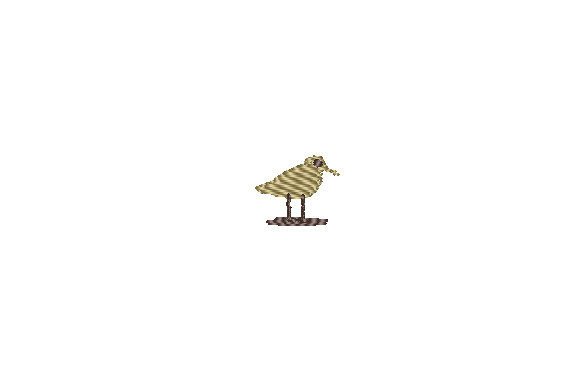
When reviewing a new machine embroidery design, I look for immediate visual impact. The Sandpiper Bird Miniature delivers exactly what its name promises: a small, mini coastal sandpiper bird paired with a reflection. The use of only two colors is a strategic choice for a miniature design. In the world of Embroidery, less is often more when working within tiny constraints. This design does not feel cluttered or dense; instead, it offers a clean, modern silhouette that suggests a premium finish. For an Etsy seller or boutique maker, this type of design signals sophistication without overwhelming the fabric it adorns. It is not loud or festive; rather, it is a quiet accent that invites closer inspection.
Product Placement: Where Does It Shine?
The description notes that this digital embroidery design is made for the smallest of hoops and is appropriate for baby clothes and children's items. While true, my experience tells me its application is far broader for the savvy craft fair vendor. Let's break down where the Sandpiper Bird Miniature performs best on actual products:
- Tote Bags and Market Bags: Placing this design on the corner of a canvas tote bag creates a subtle brand mark. It works beautifully as a tote bag design accent rather than a massive focal point. Customers appreciate the understated nature of a small bird motif on a practical item.
- Tea Towels and Aprons: For tea towel embroidery or apron embroidery, the Sandpiper Bird Miniature is perfect for a hemline detail. It adds a whimsical touch to kitchen linens without competing with other patterns. The reflection element adds depth, making the simple bird look like it is standing on water, which ties perfectly into coastal home decor themes.
- Baby Clothes and Children's Wear: This is the primary use case mentioned, and for good reason. On a onesie or a toddler's hat, the small size ensures the design doesn't distort. It captures the innocence of childhood with a nature-inspired theme that parents love.
- Embroidered Patches and Caps: Creating an embroidered patch from this file allows for versatility. You can sew the patch onto denim jackets, backpacks, or even attach it to the brim of a cap. However, because the design is so small, it must be treated as a logo-like emblem rather than a large graphic.
- Pillow Covers and Fabric Pouches: On a small pillow cover or a makeup pouch, the Sandpiper Bird Miniature acts as a delightful surprise. It elevates a basic cotton square into a giftable handmade product.
Production Realities: Stitch Density and Fabric Texture
Before I commit to batch production for the weekend market, I must address the technical realities of the Sandpiper Bird Miniature. Working with a miniature embroidery file requires precision. The reflection detail, while charming, introduces a risk of stitch density issues if the thread colors are too similar or if the fabric texture is too coarse.
I always advise testing the design on scrap fabric first. If you plan to use thick terry cloth for your teatowel embroidery, the tiny details of the bird's legs might get lost in the loops of the fabric. Similarly, on textured towels, the reflection might blur. For the best results, this design thrives on smooth cotton, linen, or medium-weight canvas. When selecting thread colors, ensure there is enough contrast between the bird and its reflection. If the two colors are too close in value, the design will lack definition, and customers at the craft fair won't notice the clever reflection detail until they are inches away.
Another critical factor is the hoop size. Since this is designed for the smallest hoops, stability is key. Using the right stabilizer is non-negotiable. Without proper backing, the fabric may pucker around such a small area, ruining the professional look of the finished product. I recommend a cut-away stabilizer for stretchy fabrics like those used in baby clothes, and a tear-away for structured items like tote bags.
Visual Appeal and Booth Display Strategy
How does the Sandpiper Bird Miniature affect buyer engagement? In a crowded booth, small details win hearts. A giant, busy design might intimidate a shopper, but a tiny, intricate bird invites curiosity. When displayed on a rack of white aprons or pastel tote bags, the two-color simplicity of the Sandpiper Bird Miniature stands out against the neutral backgrounds. It photographs exceptionally well for online listings and printable mockups, allowing you to showcase the design clearly in your social media posts leading up to the event.
This design enhances the perceived value of your handmade product. It suggests that you pay attention to detail. A customer picking up a tote bag sees the small bird and thinks, "That is so thoughtful." It transforms a generic item into a piece of art. Furthermore, because the design is small, it is repeatable. You could embroider three or four birds in a row along a pocket or hem, creating a pattern that looks custom-made and expensive.
Practical Designer Notes for Success
To maximize sales and minimize frustration, here are my final notes for anyone planning to sell products featuring the Sandpiper Bird Miniature:
- Check Commercial Licensing: Before you produce any commercial embroidery items, confirm the license terms of the digital embroidery file. Ensure you are allowed to sell finished goods containing this design.
- Test on Your Target Fabric: Do not assume the design will look the same on a baby onesie as it does on a heavy canvas tote. Run a test stitch to check for puckering and clarity.
- Review Spacing: If you are using this as a repeating pattern, leave adequate space between motifs. Crowding miniature designs can make them look messy.
- Create Real Mockups: Don't rely solely on digital previews. Embroider one sample on each fabric type you plan to sell. Take photos of the real samples for your Etsy listings and booth signage.
- Avoid Dark Fabrics for Tiny Details: While possible, tiny details like bird legs and reflections can vanish on black or navy fabrics unless you use a very light, contrasting thread. Stick to lighter backgrounds for maximum visibility.
In conclusion, the Sandpiper Bird Miniature is a versatile asset for the creative entrepreneur. It bridges the gap between a functional craft fair product and a decorative piece of art. By respecting its scale and choosing the right fabrics, you can turn this simple two-color bird into a standout feature of your handmade collection. Whether it graces a child's outfit or a sophisticated kitchen towel, its minimalist appeal ensures it remains a timeless addition to your inventory.