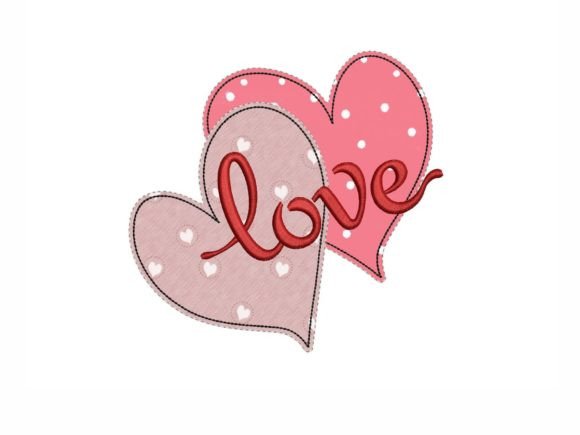
Hearts Applique: A Designer’s Review for Craft Fairs
As an embroidery designer who has spent countless weekends behind a booth table, I know that not every digital file translates into a bestseller. When I first loaded the Hearts Applique into my software, I was looking for more than just aesthetic appeal. I was evaluating its potential as a high-volume craft fair product. The description promises a beautiful and simple heart embroidery applique, perfect for Valentine’s Day or any occasion celebrating love. But does it hold up under the harsh fluorescent lights of a convention center or the natural light of an outdoor market? After running several test stitches and mocking up various items, I am ready to share my professional assessment of how this design performs in the real world.
First Impressions and Visual Appeal
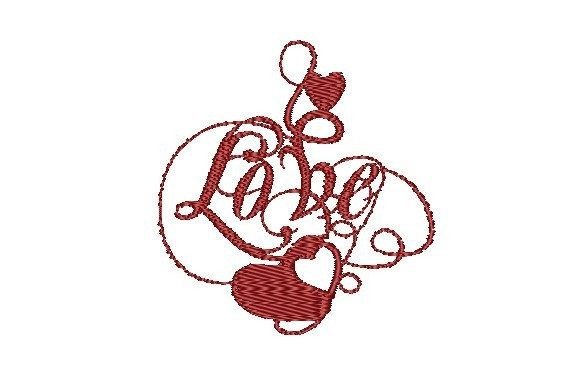
The immediate impression of Hearts Applique is one of approachable elegance. It avoids the overly complex detailing that can sometimes clutter small spaces, opting instead for clean lines and a classic silhouette. This simplicity is its greatest strength. In a busy marketplace, customers scan tables quickly. A design that is instantly recognizable as a heart, yet stylized enough to feel modern, catches the eye without overwhelming it. It feels versatile—leaning slightly towards a soft, romantic aesthetic that works equally well for a rustic farmhouse vibe or a chic boutique display.
For Etsy sellers and handmade shop owners, this visual clarity is crucial. When browsing online, buyers often skim through hundreds of listings. A clear, bold shape like this stands out in thumbnail images. It photographs beautifully because the contrast between the applique fabric and the base material creates natural depth, making your printable mockup look professional and enticing even before you stitch a single thread.
Versatility Across Product Lines
The true test of any machine embroidery design is its adaptability. I evaluated Hearts Applique across a range of popular small shop products to see where it shines brightest.
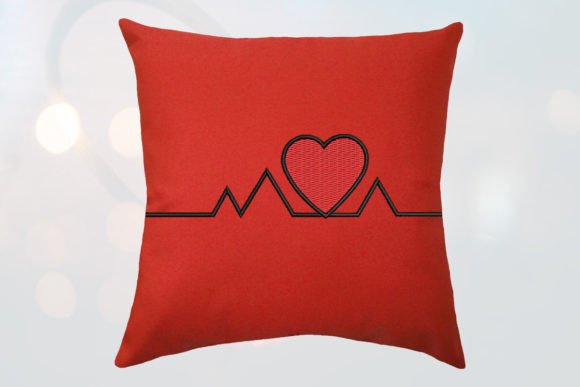
- Tote Bags and Market Bags: This is arguably the strongest application. The design scales well to a medium-large size, serving as a focal point on canvas or cotton totes. It transforms a basic bag into a giftable item with minimal effort.
- Apron Embroidery: Placed on the bib or the pocket, the heart adds a charming, personal touch. It appeals to customers looking for hostess gifts or kitchen decor that feels handmade and warm.
- Tea Towel Embroidery: For kitchen textiles, the applique technique is superior to full satin stitching because it remains soft and absorbent. However, care must be taken with the fabric texture. Thick, waffle-weave towels may require a stronger adhesive stabilizer to keep the applique piece flat during stitching.
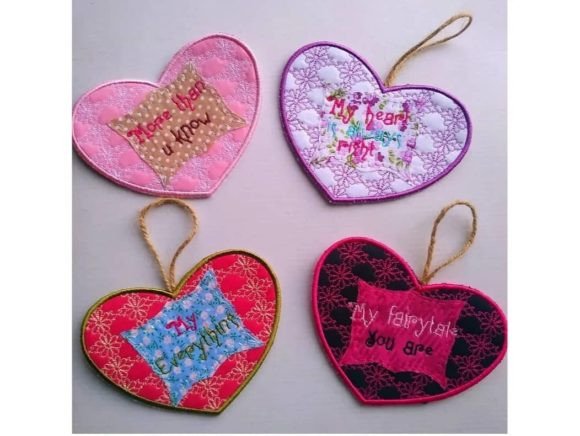
- Embroidered Patches: Creating iron-on or sew-on patches is a fantastic way to utilize leftover hoop time. These small items act as impulse buys at craft fairs, increasing your average transaction value.
- Caps and Headwear: While possible, curved surfaces present challenges. The design must be scaled down significantly to fit the front panel of a cap without distorting. Ensure the digitizing accounts for the curve to prevent puckering.
Production Efficiency and Batch Selling
From a business perspective, time is money. The "simple" nature of this embroidery file suggests a faster run time compared to dense, fill-heavy designs. Applique designs generally use less thread and reduce the risk of needle breaks or thread bunching, which is vital when producing batch orders for holiday rushes. If you are preparing for Valentine’s Day, the ability to churn out consistent, high-quality finished products quickly is a competitive advantage.
However, simplicity does not mean careless execution. To maintain a premium look, consistency is key. Ensure that your cut pieces for the applique are uniform. Using a laser cutter or a precise die-cut machine can help achieve identical shapes for every unit, ensuring your commercial embroidery output looks professional and standardized.
Technical Considerations and Careful-Use Notes
Before you list this as a digital embroidery file or start mass-producing finished products, there are technical nuances to address. While the design is forgiving, certain factors can impact the final quality.
- Stitch Density and Fabric Choice: Even with applique, the tack-down stitches and border stitches have density. On lightweight fabrics like silk or thin rayon, this can cause puckering. Always use an appropriate stabilizer. For stretchy materials, a cut-away stabilizer is recommended, while tear-away works well for stable woven cottons.
- Thread Colors: The contrast between the applique fabric and the border stitch is critical. A monochromatic look (red heart on red fabric with red thread) can look sophisticated but may lose definition from a distance. High contrast (white heart on denim with white thread) pops more. Test various combinations to see what aligns with your brand aesthetic.
- Small Details: If you scale the design down too small for items like coin purses or baby booties, the inner curves of the heart might become difficult to stitch cleanly. Check the minimum recommended size in the design notes. If not provided, perform a test stitch at your intended smallest size to ensure clarity.
- Dark Fabrics: When stitching on dark garments, ensure your bobbin thread matches the top thread or the base fabric to avoid visible white dots showing through the back or edges.
Enhancing Brand Consistency and Buyer Engagement
Incorporating Hearts Applique into your lineup can strengthen your brand identity if used consistently. It signals warmth, care, and attention to detail. For booth displays, use this design on your signage or sample items to create a cohesive theme. A table filled with items featuring the same motif looks curated and intentional, which increases perceived value.
Customer engagement often hinges on the story behind the product. Use the versatility of this design to explain your process. Show customers how the applique is layered and stitched, highlighting the handmade quality. This transparency builds trust and justifies a higher price point for your handmade product offerings.
Final Designer Recommendations
Before launching this design into your store, follow these practical steps:
- Test on Scrap Fabric: Never skip this step. Verify the registration of the applique piece and the smoothness of the border stitch.
- Check Hoop Size Compatibility: Ensure the design fits within your most commonly used hoops. If it requires a large hoop, consider if your customer base typically owns machines that support it, especially if selling the design assets digitally.
- Confirm Licensing: If you are buying this as a digital embroidery file, read the license terms carefully. Most designers allow commercial use for physical products but restrict the resale of the file itself. Ensure you are compliant before selling.
- Create Real Mockups: Photograph the stitched item on a real person or in a lifestyle setting. Digital mockups are helpful, but real photos convert better because they show the true texture and scale.
In conclusion, Hearts Applique is a robust addition to any embroidery entrepreneur’s library. Its balance of simplicity and charm makes it a reliable performer for Valentine’s Day and beyond. By paying attention to fabric choices, stabilizer types, and presentation, you can turn this simple design into a significant revenue stream for your craft fair booth or online shop.