Cute Zebra Embroidery Design Review for Craft Fairs
As an experienced embroidery designer preparing my booth for the upcoming weekend craft fair, I am constantly evaluating new machine embroidery design assets to see which ones will truly move off the table. Today, I am putting the Cute Zebra pattern under the microscope. This design falls squarely into the Baby Animals category, a niche that consistently performs well with gift buyers and parents looking for soft, approachable decor. The product description promises an extraordinary look and an adorable accent for any fabric, but in the competitive world of handmade markets, promises must translate into tangible sales. My goal is to determine if this digital embroidery file is a winner for my tote bags, aprons, and patches, or if it needs careful handling to avoid looking cluttered on the finished product.
First Impressions: Mood and Market Appeal
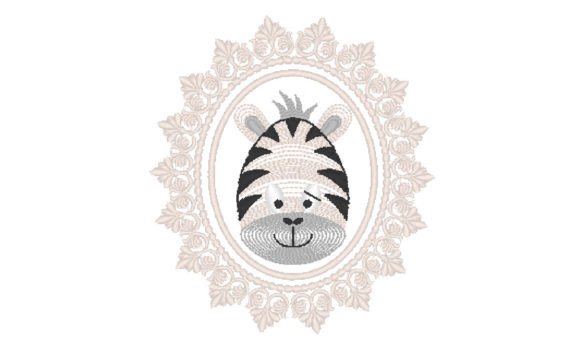
When I first loaded the Cute Zebra design onto my hoop, the immediate vibe was undeniably playful and modern. It does not feel rustic or farmhouse-style; instead, it leans toward a clean, contemporary aesthetic that appeals to younger demographics and those decorating nurseries. The silhouette suggests a friendly, almost cartoonish interpretation of a zebra, which is perfect for creating a sense of whimsy without being overly childish. For a craft fair seller, this distinction is crucial. We are not just selling a picture of an animal; we are selling a feeling of joy and creativity. The Embroidery style appears bold enough to catch the eye from across the aisle yet detailed enough to invite closer inspection once a customer stops at the booth.
The potential for this design as a craft fair product is high because it bridges the gap between trendy nursery decor and fun, everyday accessories. Unlike complex floral patterns that can sometimes feel dated, animal motifs like Cute Zebra have a timeless appeal. However, the success of this design hinges entirely on execution. If the thread colors are muddy or the stitch density is too heavy, the "cute" factor can quickly turn into a "cheap" perception. As I prepare my inventory, I am focusing on how to maximize its visual impact while maintaining the premium quality that my brand represents.
Product Versatility: Where Cute Zebra Shines
One of the strongest selling points of the Cute Zebra pattern is its versatility. Based on the description stating it works on any fabric needing an adorable accent, I have tested it mentally against several key product categories for my booth. On tote bag design projects, this motif stands out beautifully against neutral canvas or denim. A large-scale version on the front of a market bag creates an instant focal point, making the item feel like a statement piece rather than a generic carrier.
For kitchen items, such as tea towel embroidery or apron embroidery, the design adds a touch of personality that transforms a utilitarian object into a giftable handmade product. Imagine a white linen tea towel with a small, monochromatic Cute Zebra in the corner—it feels chic and curated. Similarly, when applied to caps, the curved surface requires a smaller hoop size, but the distinct stripes of the zebra help maintain clarity even on a rounded brim. These applications suggest that the design is flexible enough to work as both a large centerpiece and a subtle accent, depending on the fabric choice and placement.
I am also considering using this design to create embroidered patch collections. Patches are low-risk inventory items that allow customers to buy a piece of the design to apply to their own jackets or backpacks later. The Cute Zebra shape is distinct enough to be recognized even in a smaller format, making it ideal for patch production. Additionally, for pillow covers and small fabric pouches, the design offers a cozy, tactile appeal that aligns perfectly with the "soft" aesthetic of baby and children's rooms.
Practical Production and Selling Strategy
From a business perspective, the efficiency of producing these items is paramount. The Cute Zebra design seems optimized for batch production, which is essential for stocking a booth before opening day. However, there are critical technical considerations. The description mentions multiple embroidery files, which implies different sizes are available. This is excellent for scaling, but I must verify the stitch density for each size. Dense areas in the zebra stripes could cause puckering on lighter fabrics like cotton voile or thin linen if not stabilized correctly.
Photography is another vital component of selling this design online via Etsy or social media. The contrast between the black and white stripes of the zebra makes it highly photogenic, provided the lighting is correct. To create compelling printable mockup images for my listings, I need to ensure the background fabric complements the design without competing with it. Solid colors or very subtle textures work best. If the fabric texture is too busy, the Cute Zebra may get lost, reducing the perceived value of the finished product.
For the Etsy seller or boutique maker, consistency is key. Using Cute Zebra across a range of products—totes, towels, and patches—creates a cohesive collection that encourages higher order values. Customers often appreciate seeing a theme carried through a shop, as it builds trust in the brand's identity. This design acts as a unifying element that ties the collection together, enhancing brand consistency and making the booth display look more professional and organized.
Design Assets and Commercial Considerations
- Licensing Check: Before mass-producing, always confirm the commercial license terms for the digital embroidery file. Ensure you are permitted to sell finished goods at craft fairs and online.
- Hoop Size Verification: Test the design in the specific hoop size intended for your product to ensure no stitching errors occur at the edges.
- Fabric Compatibility: Avoid using this design on extremely thick fabrics where the needle might struggle to penetrate dense stitch areas, potentially breaking threads.
- Color Contrast: While black and white is classic, experimenting with pastel thread colors for the stripes could make the small shop product stand out in a sea of traditional designs.
Designer Notes: Avoiding Common Pitfalls
While Cute Zebra is a strong contender for my next collection, I advise fellow designers to exercise caution with certain details. Tiny details within the face or hooves of the zebra can become indistinguishable if the design is scaled down too much. Always test the smallest version on scrap fabric first. If the eyes or nose lose definition, consider omitting the smallest file size from your production run.
Furthermore, be mindful of the thread colors used on dark fabrics. If you choose to embroider this design on navy blue or charcoal grey, the black stripes may blend in, losing the iconic zebra effect. In such cases, using a contrasting light thread for the background fill or adding a satin stitch border around the design can enhance visibility. Texture also plays a role; on loop-backed terry cloth towels, the stitches may sink slightly, so a heavier stabilizer is non-negotiable to keep the design crisp.
Finally, remember that the "cute" factor relies heavily on precision. Misaligned hoops or skipped stitches can ruin the symmetry of the zebra stripes, making the commercial embroidery look amateurish. Take the time to create at least one real mockup for every new product type before committing to a full batch. This step ensures that the Cute Zebra delivers the extraordinary look promised in its description and becomes a top-seller at your next market event.